
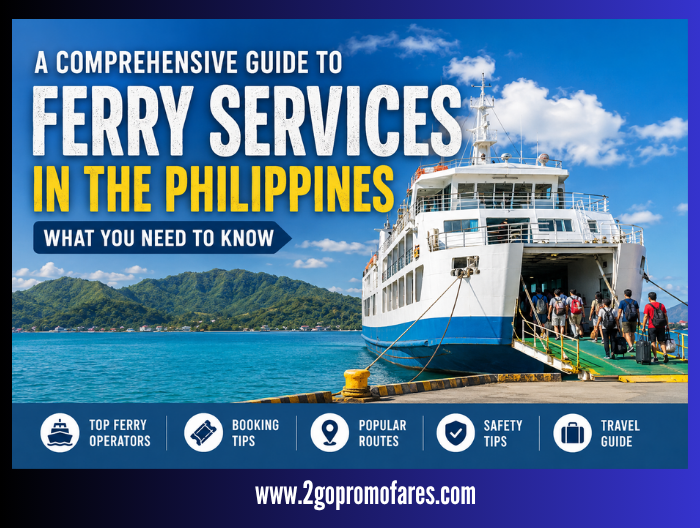
Here is a Comprehensive Guide to Ferry Services in the Philippines (2026 Travel Guide).
The Philippines is an archipelago made up of more than 7,000 islands, making sea transportation an essential part of everyday life and tourism. While airplanes offer speed and convenience, ferry services remain one of the most affordable, scenic, and culturally immersive ways to travel around the country.
From the bustling ports of Manila and Cebu to remote island destinations like Siargao, Camiguin, and Palawan, ferries connect travelers to some of the most breathtaking places in Southeast Asia. Whether you are a local commuter, backpacker, tourist, or business traveler, understanding how ferry services work in the Philippines can save you money, time, and unnecessary stress.
In this comprehensive guide, we’ll cover everything you need to know about ferry services in the Philippines, including major ferry companies, ticket booking tips, popular routes, travel safety, luggage rules, and practical advice for first-time passengers.
Why Ferry Travel is Popular in the Philippines
Ferry transportation continues to thrive in the Philippines because of its affordability and accessibility. Since many islands lack airports, ferries are the primary mode of transport for both people and cargo.
Here are some reasons why travelers prefer ferry services:
- More affordable than domestic flights
- Access to remote islands
- Scenic ocean views and island landscapes
- Flexible luggage allowances
- Availability of overnight trips
- Ideal for vehicles and cargo transport
For budget-conscious travelers, ferries offer an economical alternative to air travel while providing a unique travel experience.
Types of Ferry Services in the Philippines
The Philippine ferry industry offers different kinds of sea transport depending on the route and passenger needs.
1. Passenger Ferries
Passenger ferries are designed primarily for transporting people between islands and cities. These vessels usually offer several accommodation classes:
- Economy Class
- Tourist Class
- Cabin Accommodations
- Business Class
- Suite Rooms
These ferries often include amenities such as restaurants, lounges, charging stations, and entertainment areas.
2. RoRo (Roll-on/Roll-off) Ferries
RoRo ferries allow vehicles such as cars, buses, trucks, and motorcycles to board directly onto the vessel. These are extremely important for inter-island logistics and road travel.
Popular Ro-Ro routes include the following:
- Batangas to Mindoro
- Cebu to Bohol
- Leyte to Samar
- Surigao to Dinagat Islands
3. Fast Craft Ferries
Fast crafts are high-speed passenger vessels commonly used for shorter trips. They are faster than traditional ferries but may have stricter baggage policies.
Examples include routes like the following:
- Cebu to Bohol
- Iloilo to Bacolod
- Batangas to Puerto Galera
Major Ferry Operators in the Philippines
Several ferry companies dominate inter-island travel in the country. Each operator offers different routes, amenities, and pricing structures.
1. 2GO Travel
2GO Travel is one of the largest and most recognized ferry operators in the Philippines. It offers routes connecting Luzon, Visayas, and Mindanao.
Popular 2GO Routes:
- Manila to Cebu
- Manila to Cagayan de Oro
- Manila to Bacolod
- Manila to Iloilo
- Cebu to Butuan
Why Travelers Choose 2GO:
- Affordable fares
- Online booking system
- Comfortable accommodations
- Frequent promotions
- Cargo and logistics services
2GO vessels often resemble mini cruise ships, offering dining facilities, entertainment, and sleeping accommodations.
2. OceanJet
OceanJet is known for its fast craft services, especially in the Visayas region.
Popular OceanJet Routes:
- Cebu to Tagbilaran
- Cebu to Dumaguete
- Cebu to Ormoc
- Iloilo to Bacolod
OceanJet is ideal for travelers who prioritize speed and convenience.
3. Lite Ferries
Lite Ferries is popular among budget travelers and local commuters.
Common Routes:
- Cebu to Tagbilaran
- Cebu to Cagayan de Oro
- Cebu to Ormoc
Lite Ferries provides affordable options for passengers and cargo transport.
4. Montenegro Shipping Lines
Montenegro Shipping Lines is well-known for RoRo and passenger ferry services.
Key Routes:
- Batangas to Puerto Galera
- Batangas to Romblon
- Luzon to Mindoro routes
This company is especially popular among tourists visiting beach destinations.
5. SuperCat and FastCat
These operators specialize in fast ferry services and modern RoRo vessels.
Popular Destinations:
- Cebu
- Bohol
- Leyte
- Samar
- Negros
They are favored for shorter travel times and modern amenities.
Popular Ferry Routes in the Philippines
The country’s ferry network connects major cities and tourist destinations. Below are some of the busiest and most popular routes.
Manila to Cebu
One of the most iconic sea routes in the Philippines, this trip typically takes around 22 to 30 hours, depending on weather and vessel conditions.
Best For:
- Budget travelers
- Cargo transport
- Travelers bringing large luggage
Cebu to Bohol
A very popular tourist route, this fast craft journey usually takes around 2 hours.
Attractions:
- Chocolate Hills
- Panglao beaches
- Loboc River
Batangas to Puerto Galera
This short ferry route is popular among beach lovers visiting Oriental Mindoro.
- Travel Time: Approximately 1 to 2 hours
Surigao to Siargao
Siargao has become one of the country’s top surfing destinations, and ferries remain an affordable option for reaching the island.
Iloilo to Bacolod
A major commercial and commuter route in Western Visayas.
Travel Time:
- Around 1 hour via fast craft
How to Book Ferry Tickets in the Philippines
Booking ferry tickets has become much easier thanks to digital platforms and online services.
Online Booking
Most major ferry companies now offer online reservations through their websites or mobile apps.
Benefits:
- Avoid long ticket lines
- Secure preferred schedules
- Access promotional fares
- Convenient digital payments
Walk-In Booking
Passengers can still purchase tickets directly at ports and ticketing offices. However, during peak seasons, tickets may sell out quickly.
Travel Agencies
Some travelers prefer using accredited travel agencies for package deals and easier itinerary planning.
Best Time to Travel by Ferry
The Philippines experiences two primary seasons:
- Dry Season: November to May
- Rainy Season: June to October
The best time for ferry travel is during the dry season, when sea conditions are calmer, and schedules are more reliable.
Ferry Travel Safety Tips
Sea travel is generally safe in the Philippines, but passengers should still practice caution.
1. Arrive Early
Ports can become crowded, especially during holidays. Arriving at least 2–3 hours before departure is recommended.
2. Check Weather Conditions
Typhoons and rough seas can lead to trip cancellations. Always monitor weather advisories before traveling.
3. Keep Important Items With You
Carry your
- IDs
- Wallet
- Gadgets
- Medicines
- Important documents
Avoid placing valuables in checked baggage.
4. Follow Safety Instructions
Pay attention to:
- Emergency exits
- Life vest demonstrations
- Crew announcements
5. Travel Light When Possible
While ferries allow generous baggage, managing lighter luggage makes boarding easier.
9 Things Frequent Ferry Passengers Always Pack (That First-Timers Forget)
Accommodation Classes on Ferries
Ferry operators offer various accommodation options to suit your budget and comfort preferences.
Economy Class
- Cheapest option
- Open-air or communal seating
- Best for short trips
Tourist Class
- Air-conditioned
- Reclining seats or bunk beds
- Mid-range comfort
Cabin Accommodations
- Private or semi-private rooms
- More comfortable for overnight travel
- Better security and privacy
Suite or VIP Rooms
- Hotel-like amenities
- Premium experience
- Ideal for families or long-distance travel
Ferry Travel with Vehicles
RoRo ferries make it possible to travel across islands with your own vehicle.
Requirements Usually Include:
- Vehicle registration papers
- Driver’s license
- Valid IDs
- Booking in Advance
Traveling with vehicles is especially useful for road trips and provincial business operations.
Common Challenges in Ferry Travel
While ferry travel has many advantages, passengers should also be prepared for possible inconveniences.
Weather Delays
Typhoons and rough sea conditions may delay or cancel trips.
Long Travel Hours
Some routes can take over 24 hours.
Peak Season Crowds
Holy Week, Christmas, and summer vacations often result in fully booked ferries.
Port Congestion
Major ports such as Manila and Cebu can become extremely crowded.
Essential Travel Tips for First-Time Ferry Passengers
If it’s your first time riding a ferry in the Philippines, these practical tips can help.
Bring Snacks and Water
Although most ferries have food stalls, prices onboard may be higher.
Wear Comfortable Clothes
Sea travel can involve long waiting times and changing weather conditions.
Prepare for Motion Sickness
Bring:
- Motion sickness medicine
- Ginger candies
- Travel pillows
Keep Electronics Charged
Not all ferries provide reliable charging stations.
Bring Entertainment
Long journeys are easier with:
- Movies
- Music
- Books
- Mobile games
Future of Ferry Transportation in the Philippines
The Philippine maritime industry continues to modernize. Newer vessels now offer:
- Improved safety systems
- Better passenger amenities
- Faster travel times
- Eco-friendly technologies
Government initiatives are also improving port infrastructure to boost tourism and inter-island connectivity.
As tourism continues to grow, ferry services are expected to become even more efficient and accessible.
Why Ferry Travel is Worth Experiencing
Traveling by ferry in the Philippines is more than just transportation — it’s part of the Filipino travel experience.
Unlike flights, ferries allow travelers to
- Witness stunning sunsets at sea
- Explore lesser-known islands
- Experience local culture
- Travel affordably
Whether you’re island hopping through the Visayas or heading to Mindanao for an adventure, ferry travel offers a memorable and scenic journey.
Final Thoughts
Ferry services play a vital role in connecting the islands of the Philippines. From luxury passenger ships to budget-friendly RoRo vessels, travelers have numerous options depending on their destination and budget.
Understanding ferry schedules, operators, booking procedures, and safety tips can help ensure a smooth and enjoyable journey. Whether you’re a backpacker exploring the archipelago or a family heading to a beach getaway, ferry travel remains one of the best ways to discover the beauty of the Philippines.
As the maritime industry continues to evolve, ferry transportation will remain a cornerstone of Philippine tourism and inter-island mobility.
So the next time you plan your island adventure, consider taking the scenic route by sea. Follow us on Facebook: 2Go Promo Fares to receive more travel tips for traveling around the Philippines.